Marna Webb Physiotherapy Your partner in health and recovery


Home / Conditions / Greater Trochanteric Pain Syndrome

Condition Guide

Greater Trochanteric Pain Syndrome

Greater trochanteric pain syndrome can cause pain on the outside of the hip, especially with walking, stairs or lying on the affected side. Physiotherapy can help guide load management and hip-strength rehabilitation.
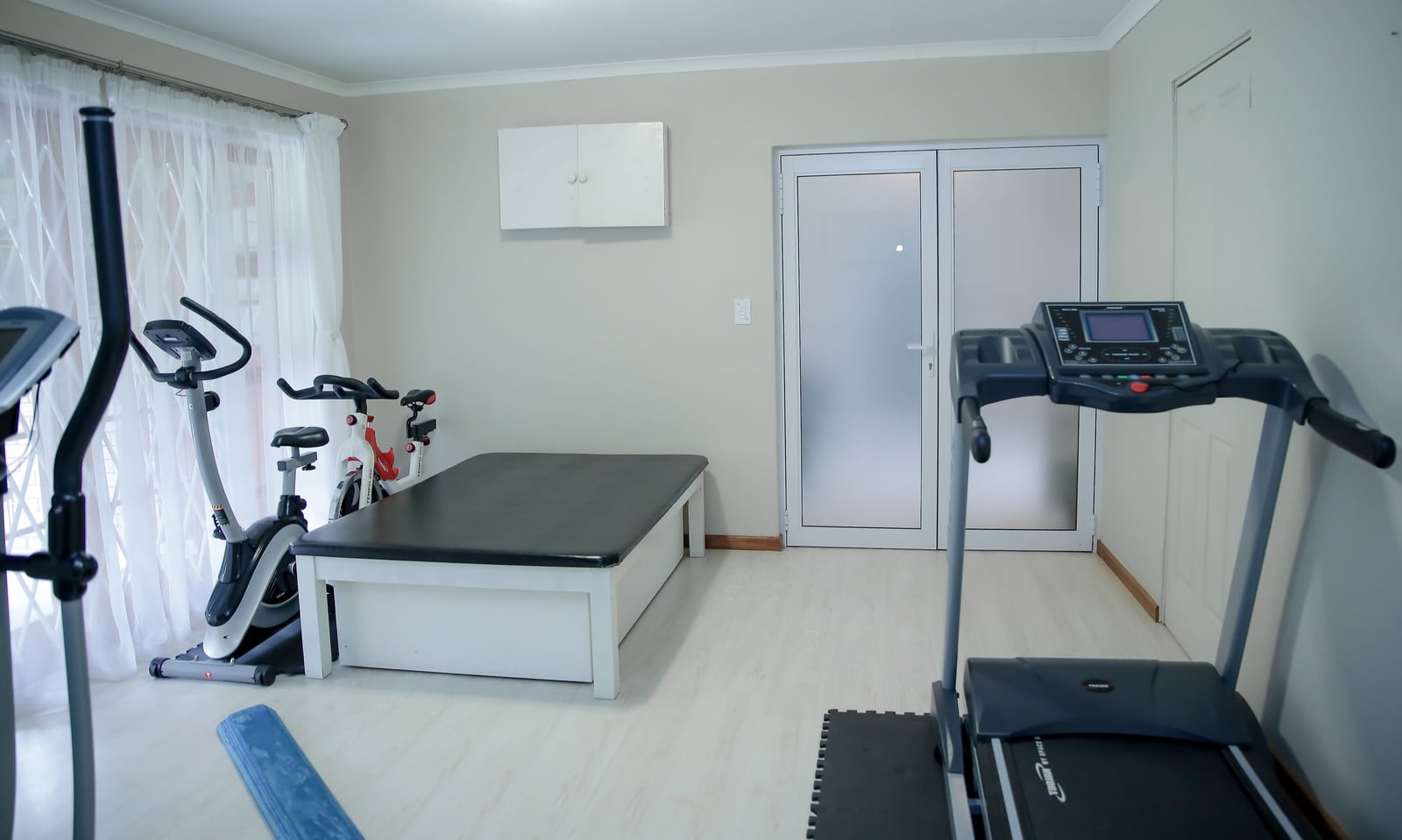
Physiotherapy treatment room used for greater trochanteric pain assessment at Marna Webb Physiotherapy in Tulbagh

Overview

Understanding Greater Trochanteric Pain Syndrome

Greater trochanteric pain syndrome describes pain around the outside of the hip. It may ache during walking, stairs, standing, running or when lying on the affected side, and it can disturb sleep or make daily movement feel uncertain. Physiotherapy may help by assessing hip strength, load tolerance and movement patterns, then guiding a gradual plan to calm symptoms and rebuild capacity.

At a Glance

  • Common symptoms: Pain on the outside of the hip, Pain lying on the affected side, Pain walking, stairs or hills.
  • Common contributors: Gluteal tendon load intolerance, Sudden walking or running increase, Side-lying pressure.
  • Recovery varies by: severity, duration, irritability, general health and activity demands.
  • Physiotherapy may help: when symptoms affect movement, function or confidence.

Common Symptoms

Pain on the outside of the hip

Pain lying on the affected side

Pain walking, stairs or hills

Tenderness over the side hip

Pain standing on one leg

Symptoms with running or prolonged standing

Pain sleeping on the affected side

Pain walking downstairs or climbing stairs

Pain standing from a chair or standing on one leg

Pain getting into a car or walking uphill

Why Does It Happen?

Several factors may contribute, and the most relevant factors vary between people.

Gluteal tendon load intolerance

Sudden walking or running increase

Side-lying pressure

Hip muscle weakness

Pelvis and trunk control demands

Previous hip or back symptoms

When Should I Seek Urgent Medical Attention?

Seek prompt medical assessment if symptoms are associated with:

  • Hip pain after fall or trauma
  • Unable to weight-bear
  • Severe swelling, fever or feeling unwell
  • Unexplained weight loss or night pain
  • New leg weakness or numbness
  • Rapidly worsening pain

These symptoms do not automatically mean that a serious condition is present, but they should be assessed promptly by an appropriate medical professional.

Physiotherapy Assessment

Pain location and load history

Hip and back movement

Gluteal strength

Single-leg balance

Walking and stair tolerance

Activity and sleep-position review

How Physiotherapy Can Help

Treatment is individualised and may include:

Education and load modification

Side-lying and posture advice

Progressive gluteal strengthening

Balance and walking retraining

Hands-on Treatment

Return-to-walking or running planning

Recovery and What to Expect

GTPS often improves with careful load management and progressive strengthening, but symptoms may take time to settle if the hip has become highly sensitive.

Recovery differs between people and depends on hip sensitivity, strength, sleep positions, walking or running load and how gradually exercises are progressed. Improvement is often best supported by sensible load management and steady rehabilitation.

Frequently Asked Questions

Is it bursitis?

Sometimes the bursa is involved, but gluteal tendon load and sensitivity are often important.

Should I stretch the side hip hard?

Aggressive stretching may irritate some presentations. Exercises should be individualised.

Can I keep walking?

Often yes, but distance and hills may need adjustment.

Why is lying on the side painful?

Direct pressure and compression around the side hip can aggravate symptoms.

Can I book via WhatsApp?

Yes.

Evidence Corner

GTPS management commonly focuses on education, reducing compressive irritation and progressively strengthening the hip muscles.

Treatment recommendations should combine current evidence, clinical expertise and your individual assessment.

Marna’s Clinical Perspective

Side-hip pain often responds best when we respect both strength and sensitivity. Too little load can decondition; too much can flare. My goal is to understand the individual factors driving your side-hip pain and help you rebuild strength, confidence and comfort for walking, sleep, work and the activities that matter to you.

Marna’s Tip

If sleeping on the painful side keeps flaring symptoms, changing sleep position can be an important first step while strength is rebuilt.

Related Resources

Patient Guide

Resource in development

Video

Resource in development

Recovery Programme

Resource in development

Recommended Exercises

Exercises should be selected according to the individual assessment. Exercise links remain marked as Resource in development until approved by Marna Webb.

Gluteal isometrics

Resource in development

Hip abductor strengthening

Resource in development

Single-leg balance

Resource in development

Sit-to-stand strength

Resource in development

Walking progression

Resource in development

Stair control

Resource in development

Need Help With Greater Trochanteric Pain Syndrome?

Contact Marna Webb Physiotherapy for an individual assessment and treatment plan.