Evidence-based physiotherapy tailored to your individual needs.
Whether you’re recovering from an injury, managing persistent pain or looking to improve your movement and function, Marna Webb Physiotherapy provides personalised, evidence-based treatment to help you achieve your goals.
Appointments can be arranged by calling or sending a WhatsApp message.
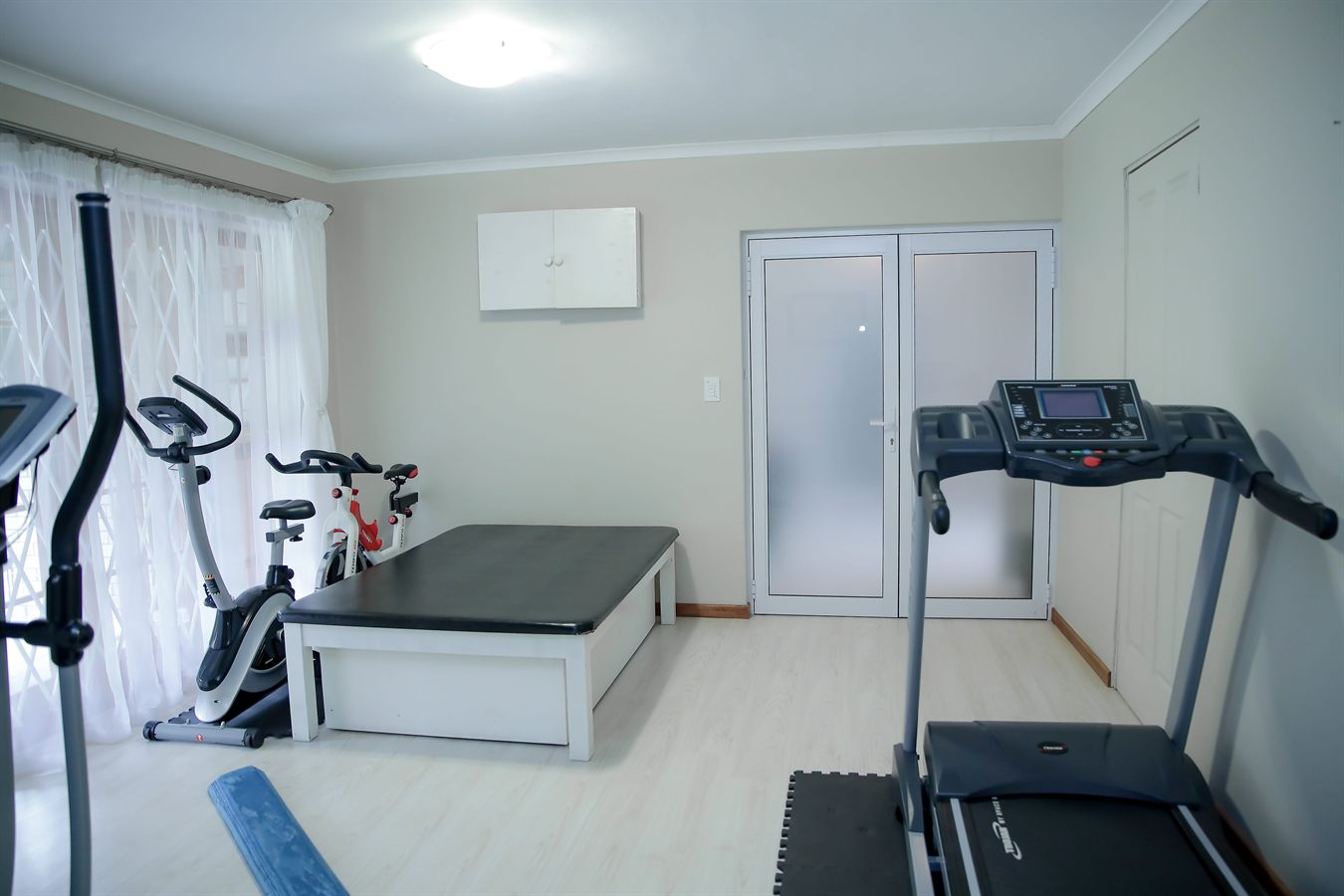
How We Can Help
Every patient is unique. We take the time to understand your condition, identify the underlying cause and develop an individual treatment plan that supports your recovery and long-term wellbeing.
View ConditionsBrowse ResourcesExercise LibraryContact the Practice
Musculoskeletal Physiotherapy
Assessment and treatment for pain, stiffness and movement problems affecting muscles, joints, ligaments and nerves.
Common conditions: back pain, neck pain, shoulder pain, hip and knee pain, arthritis and overuse injuries.
How physiotherapy helps: hands-on treatment, movement retraining, strengthening and practical advice to improve comfort and function.
Sports Injury Rehabilitation
Personalised rehabilitation for athletes and active people recovering from training, match-day or overuse injuries.
Common conditions: muscle strains, ligament sprains, tendon pain, running injuries and return-to-sport concerns.
How physiotherapy helps: progressive loading, strength work, mobility, sport-specific drills and guidance for a safe return to activity.
Post-operative Rehabilitation
Structured rehabilitation after orthopaedic surgery to help you recover safely and regain confidence.
Common conditions: joint replacements, ligament repairs, fracture recovery, shoulder surgery and spinal procedures.
How physiotherapy helps: swelling and pain management, mobility restoration, strength rebuilding and gradual return to daily life.
Chronic Pain Management
Support for persistent pain with education, movement strategies and treatment tailored to your capacity.
Common conditions: long-standing back or neck pain, arthritis, widespread pain and recurring flare-ups.
How physiotherapy helps: pacing, graded exercise, pain education and practical tools to improve daily function.
Neurological Rehabilitation
Rehabilitation for people living with neurological conditions that affect movement, balance, strength or coordination.
Common conditions: stroke, Parkinson’s disease, multiple sclerosis, peripheral nerve injuries and movement disorders.
How physiotherapy helps: task-specific training, balance work, strengthening, mobility practice and confidence-building strategies.
Vestibular and Balance Rehabilitation
Assessment and treatment for dizziness, vertigo, unsteadiness and falls risk.
Common conditions: BPPV, vestibular weakness, balance problems, dizziness with movement and falls prevention needs.
How physiotherapy helps: repositioning techniques where appropriate, balance retraining, gaze stability work and home exercises.
Dry Needling
A targeted technique used where clinically appropriate to help reduce muscle-related pain and sensitivity.
Common conditions: myofascial trigger points, muscle tightness, headaches, neck pain and sports-related muscle pain.
How physiotherapy helps: dry needling may be combined with manual therapy, exercise and education to support better movement.
Manual Therapy
Hands-on physiotherapy techniques to support joint movement, soft tissue comfort and functional recovery.
Common conditions: spinal stiffness, joint restriction, muscle tension, headaches and movement-related pain.
How physiotherapy helps: joint mobilisation, soft tissue techniques and guided movement are used alongside active rehabilitation.
Exercise Rehabilitation
Personalised exercise programmes designed around your assessment, goals and stage of recovery.
Common conditions: weakness, reduced mobility, post-injury recovery, balance problems and long-term conditioning needs.
How physiotherapy helps: strength, flexibility, balance and endurance are progressed safely so you can move with confidence.
Women’s Health Physiotherapy (non-internal treatment)
Support for musculoskeletal concerns related to pregnancy, postnatal recovery and general movement function.
Common conditions: pregnancy-related back or pelvic pain, postnatal weakness, abdominal recovery and mastitis support where appropriate.
How physiotherapy helps: education, movement advice, strengthening and hands-on care are provided without internal pelvic floor assessment or treatment.
Men’s Health Physiotherapy (non-internal treatment)
Support for men with musculoskeletal pain, post-operative recovery and movement or activity limitations.
Common conditions: back and neck pain, sports injuries, post-operative recovery, chronic pain and balance concerns.
How physiotherapy helps: individual assessment, education, strengthening and hands-on treatment are used without internal pelvic assessment or treatment.
Respiratory Physiotherapy
Treatment to support breathing comfort, airway clearance and recovery from respiratory conditions.
Common conditions: chest congestion, post-illness recovery, breathing pattern concerns and reduced exercise tolerance.
How physiotherapy helps: breathing exercises, airway clearance techniques, education and graded activity support recovery.
Shockwave and Electrotherapy
Evidence-based use of selected modalities where they are clinically indicated as part of a broader treatment plan.
Common conditions: tendon pain, plantar fasciitis, soft tissue pain and selected persistent musculoskeletal conditions.
How physiotherapy helps: modalities may support pain relief and tissue healing when combined with exercise and advice.
What to Expect at Your First Appointment
Your first visit is focused on understanding your symptoms, your movement and what you want to get back to.
Assessment
Every patient receives a thorough assessment of symptoms, movement, lifestyle and goals so treatment can be planned around the person, not only the diagnosis.
Treatment
Treatment is individualised and may include manual therapy, exercise rehabilitation, education, dry needling or other appropriate techniques.
Home Programme
Where appropriate, you receive practical advice and exercises that are realistic, useful and easy to follow between appointments.
Recovery
Your progress is reviewed regularly and treatment is adjusted as recovery progresses, helping you move with greater confidence over time.
Frequently Asked Questions
Do I need a doctor’s referral?
No referral is usually needed to book a physiotherapy appointment. If you have had surgery, a serious injury or need to claim from medical aid, any referral letter, scan report or doctor’s notes can be helpful.
What should I wear?
Please wear comfortable clothing that allows you to move easily. If possible, choose clothing that gives access to the area being assessed, such as shorts for knee or hip problems and a vest or loose top for shoulder concerns.
How long is an appointment?
Appointment length depends on the type of assessment and treatment needed. When you book, the practice can guide you on what to expect for your specific concern.
How many treatments will I need?
This depends on your condition, goals, response to treatment and how long the problem has been present. After your assessment, your physiotherapist will discuss a realistic treatment plan with you.
Does medical aid cover physiotherapy?
Many medical aids include physiotherapy benefits, but cover differs between plans. Please check your benefits with your medical aid, and contact the practice if you need guidance before booking.
Can I book via WhatsApp?
Yes. Appointments can be arranged by calling or sending a WhatsApp message to 072 449 0163, or by using the Book an Appointment button on this page.
Ready to Start Your Recovery?
Book your appointment today by phone or WhatsApp and let us help you move better, feel better and live better.